Press Release · Bark Technologies
The False Choice Between Safety and Autonomy: Bark Offers a New Blueprint for Disability Tech as Wisconsin Approves Bark Phone Through IRIS
Distributed by The Web Techno · Originally issued via PR Newswire
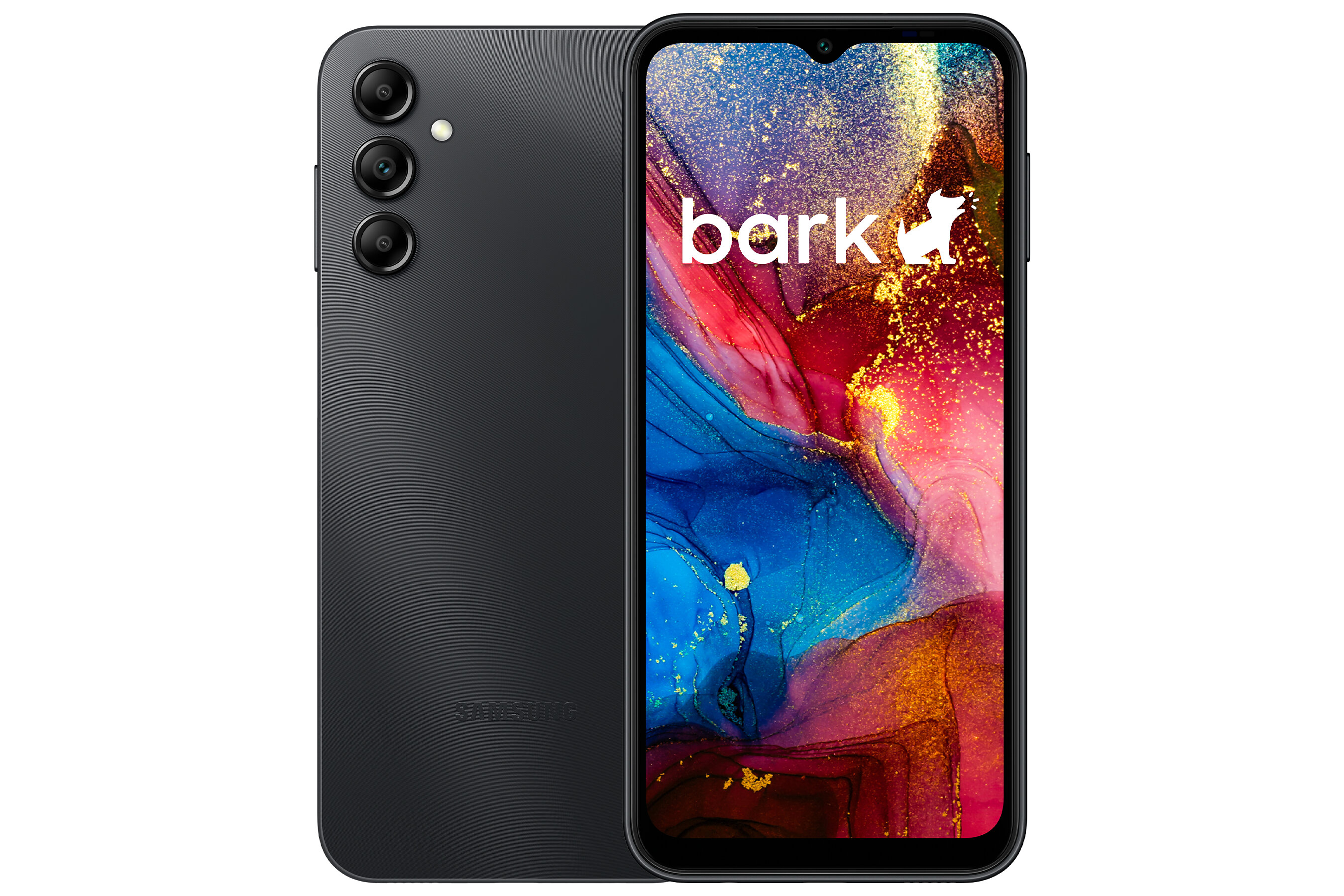
With Bark Phone and Bark Watch now approved through Wisconsin's IRIS and CLTS programs, Bark says adaptable technology lets safety and independence grow together from childhood into adulthood
ATLANTA, Nov. 5, 2026 — Digital access for people with disabilities has long been framed as a choice between safety and independence, according to Bark Technologies, the technology company that builds customizable safety tools for families, disability programs and community organizations. Bark says that framing has created challenges for caregivers and state programs. Too often caregivers must choose between keeping devices off-limits and handing over full access to an internet that brings real risk.
Bark Phone, Bark Watch now approved through Wisconsin IRIS and CLTS Medicaid waivers for people with disabilities
Post thisBark is sharing this view as Wisconsin approves Bark Phone and Bark Watch through its IRIS (Include, Respect, I Self-Direct) program for adults with disabilities. That approval builds on Bark's availability through the state's Children's Long-Term Support (CLTS) Waiver Program.
Bark is encouraging state programs and care organizations to move toward what it calls "dynamic guardrails." Dynamic guardrails are safety settings that adapt to a person's growing abilities and life goals. Instead of simply blocking access, they let caregivers expand independence step by step as a person shows they're ready.
"Independence doesn't begin or end at a certain age," said Christian Brucculeri, chief community officer at Bark. "When we announced Bark's availability through Wisconsin's CLTS program earlier this year, it was an important step toward making safer technology more accessible to Wisconsin children with disabilities. Expanding access through IRIS means that support doesn't have to stop when someone becomes an adult. Technology should continue to safely support independence, connection and community participation at every age and stage of life."
Moving Past an Either/Or Approach
When safety and access are out of balance, people with disabilities can miss chances to build social skills and independence. Technology can help them stay in touch with family and friends, take part in school and work and manage daily routines. But caregivers and state programs have had few good ways to manage that balance, and many people have gone without tools that could help them build those skills.
Two common assumptions get in the way. The first is that everyone should get the same level of access. The second is that digital safety means keeping people offline. Bark believes neither one reflects how people grow. Treating safety and independence as opposing goals can keep people with disabilities from the tools that help them take part in their communities.
Early Results in Wisconsin
Early results point to a promising approach. In an ongoing Bark customer satisfaction survey of Wisconsin families who purchased Bark devices using Medicaid waiver funds, 91% reported positive changes within three to six months, including more independence, fewer behavioral challenges, stronger social connections and a better understanding of social cues online. Kate Schmitz, a CLTS support and service coordinator, has seen this firsthand with a young participant who began using a Bark Phone.
"Since receiving the Bark Phone, he has been using it daily, and the family has noticed meaningful positive changes," she said. "Previously, he showed little to no interest in services or activities that were suggested. After taekwondo was mentioned, he independently used his Bark Phone to look up nearby martial arts studios and is now officially starting classes this week. The family has also reported that his overall mental health has improved because he is able to have more alone time and independence while they still have the ability to monitor his location and safety."
Bark's availability through Wisconsin's CLTS and IRIS programs reflects growing recognition of the role adaptable assistive technology can play in supporting individuals with disabilities across different life stages.
What Needs to Change
Bark is calling on technology companies to build customizable safeguards that can be shaped around each person's needs and goals. Bark's own devices offer two examples:
- Bark Phone: A customizable smartphone with contact and app management, content monitoring, screen-time schedules and location tools.
- Bark Watch: A simpler option focused on communication safety and location tracking, with no internet browser, social media or games.
Devices like these may be included in individualized support and service plans when they fit a participant's assessed needs and goals, subject to applicable program requirements and authorization. Under CLTS, for example, a service coordinator may recommend including a device when it can support outcomes identified in the plan. Under IRIS, participants work with an IRIS consultant to create a plan and choose the providers and supports that fit their goals.
As people move from childhood into adulthood, their technology should be able to grow with them. Expanding access to assistive technology across different programs and age groups can help reduce gaps in support as individuals transition from childhood into adulthood. That continuum of care can support greater independence and community participation over time.
The implications go well beyond Wisconsin. As Medicaid programs, state agencies, treatment providers and community organizations nationwide consider how technology fits into long-term care supports, Bark believes adaptable technology should be treated as a fundamental right and an important tool for reaching life goals, because too often it is still treated as a liability to manage. Through Bark Community Programs, Bark works with these organizations to make safer technology available to people with disabilities, while eligibility and coverage decisions remain with each program and each individual's care team.
Available Now in Wisconsin
Bark Phone and Bark Watch are available as assistive technology options through Wisconsin's CLTS and IRIS programs, subject to individual eligibility, assessed needs and applicable program requirements. Under both programs, assistive technology may be considered as part of the individualized service planning process. Additional information about Bark's participation in Wisconsin Medicaid waiver programs and its assistive technology offerings is available at www.bark.us/learn/medicaid.
SOURCE Bark Technologies
About Bark Technologies
Bark Technologies is the trusted leader in online safety for kids and families, helping protect more than 7.5 million children at home and in over 3,600 schools and districts across the U.S. Its AI-powered tools flag potential issues such as cyberbullying, online predators and threats of violence. That gives caregivers greater visibility while supporting more independence. Bark's products include the Bark app, Bark Phone, Bark Watch, Bark Home and Bark Sync.
Through Bark Community Programs, Bark works with Medicaid programs, state agencies, treatment providers and community organizations to make safer, customizable technology part of the supports available to people with disabilities. Bark Phone and Bark Watch are available as assistive technology options through certain Wisconsin Medicaid waiver programs, subject to applicable eligibility and authorization requirements.
Learn more at www.bark.us/learn/solutions.